
John Davidsons Involuntary Outburst at the BAFTAs Sparks Discussion on Tourettes Syndrome

A Night of Surprises at the BAFTAs
The 2026 BAFTA Awards, held on a Sunday evening, unfolded with glitz and glamour as Hollywood's elite gathered to celebrate the best in film. The palpable excitement in the air took an unexpected turn when a shocking outburst echoed through the auditorium. During the presentation for Best Visual Effects, which was awarded to the highly acclaimed film "Avatar: Fire and Ash," a prominent voice interrupted the proceedings. The outburst came from none other than John Davidson, a well-known activist for Tourette's syndrome, who had been invited to the ceremony in recognition of his impactful life story that inspired the BAFTA-nominated film, "I Swear."
John Davidson's name has become synonymous with advocacy for Tourette's syndrome, as he courageously shares his experiences to build understanding and challenge stigma surrounding this neurological disorder. However, on this particular evening, Davidson's involuntary vocalization—a tic associated with his condition—caught everyone off guard as he shouted a word that raised eyebrows and prompted immediate reactions from the audience and presenters alike. This unfortunate moment served as a stark reminder of the unpredictability of Tourette's syndrome, a condition that affects many individuals in diverse ways, leading to uncontrollable tics that can manifest verbally.
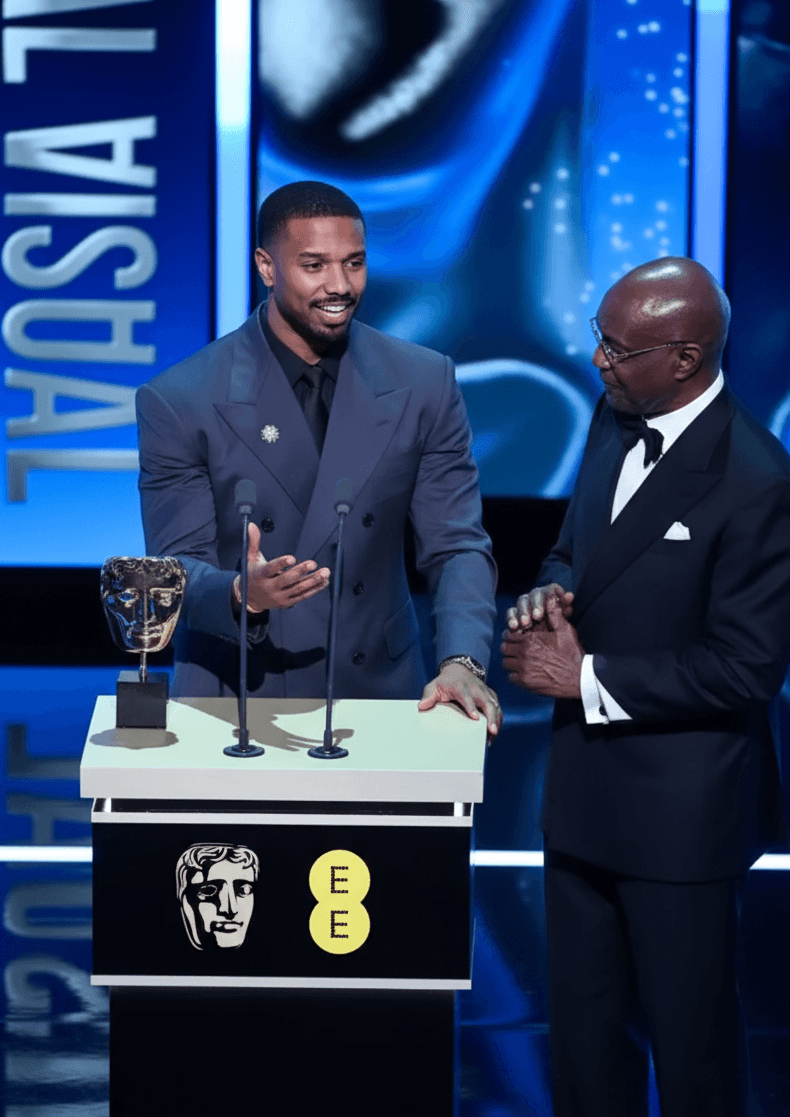
Despite the unexpected interruption, the presenters, Michael B. Jordan and Delroy Lindo, managed to maintain their composure and continued with their duties. The professionalism exhibited by the duo was commendable, as they navigated the situation with grace under pressure, all the while the audience processed what had just happened. Following the incident, the BAFTA host, Alan Cumming, took a moment to address the crowd, acknowledging the strong language that had been heard and providing context for those unfamiliar with the condition. This was a crucial step in fostering understanding about the reality of living with Tourette's syndrome, as he emphasized that such tics are involuntary and beyond the control of the individual experiencing them.
Cumming’s remarks resonated with many in the audience, as he encouraged compassion and understanding towards individuals who navigate the complexities of Tourette's syndrome. He reiterated the importance of creating a respectful space, particularly in environments where individuals may feel vulnerable, such as a high-profile awards ceremony. His comments not only sought to clarify the situation but also aimed to educate the audience, helping to dismantle misconceptions surrounding the condition and shedding light on the challenges faced by those living with it.
Reflecting on the Impact of Advocacy
The evening’s unexpected turn did not end with the first incident; Davidson's tics echoed again as he expressed his thoughts during BAFTA chair Sara Putt's introductory speech, where he shouted an expletive. Moments later, he directed another outburst towards the directors of the award-winning film "Boong," resulting in a rather tense atmosphere for all in attendance. However, these instances emphasized the reality for many individuals with Tourette's syndrome—where involuntary tics can manifest in various forms, often leading to misunderstandings and, at times, discomfort in social settings.
As the night progressed, it became evident that the incident sparked conversations about the necessity for increased awareness and understanding of Tourette's syndrome. Those familiar with the condition recognized that such outbursts, while shocking to some, are merely a part of the lived experience for individuals like John Davidson. It also raised significant questions about how society perceives and responds to neurodiversity in public spaces. The discourse surrounding Davidson's outbursts became a pivotal moment to advocate for compassion and awareness, reminding audiences that individuals with Tourette's syndrome are navigating their own unique challenges, often in silence.
In conclusion, while the BAFTA incident may have initially been seen as a moment of chaos, it ultimately highlighted the importance of understanding and acceptance. John Davidson's presence at the awards ceremony served as a beacon for those affected by Tourette's syndrome, demonstrating that their voices and experiences deserve recognition and respect. As Alan Cumming aptly noted, it is essential to create environments where everyone, regardless of their neurological differences, can feel safe and valued. The discussions that emerged from the BAFTAs are a step towards a more inclusive world, where understanding replaces stigma, and respect becomes the norm.


