
Kathie Lee Giffords Stinging Critique of The View: A Reflection on Televisions Evolution
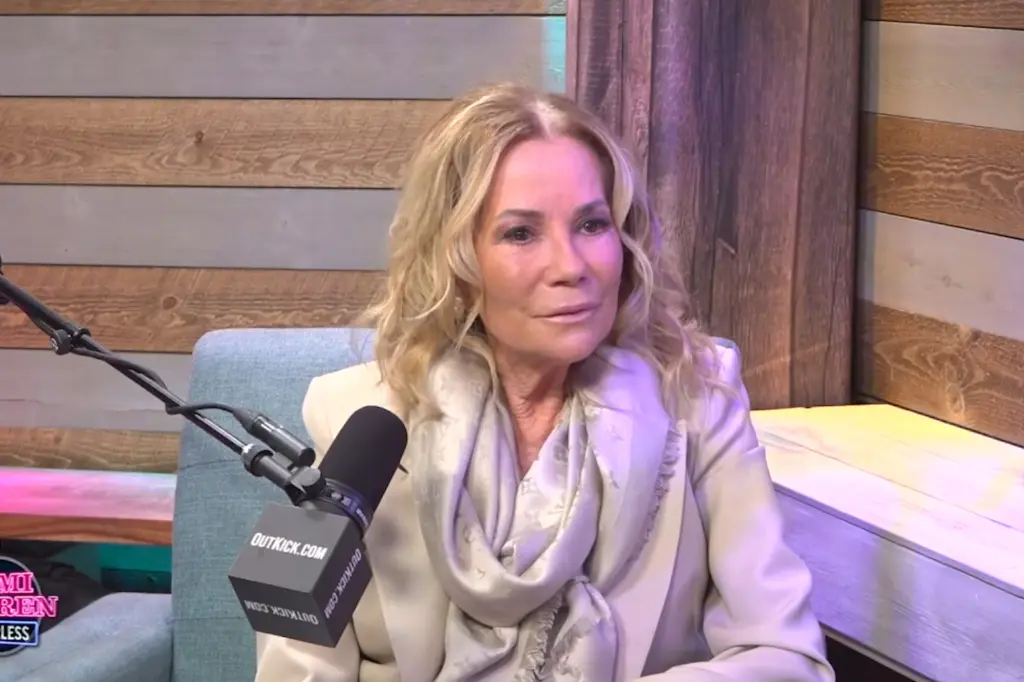
In a recent appearance on the podcast 'Tomi Lahren Is Fearless,' Kathie Lee Gifford did not hold back in her critique of 'The View,' suggesting that the show has taken a turn for the worse in terms of the tone and nature of its discussions. At 72, Gifford carries a wealth of experience from her decades-long career in television, and her insights are reflective of a broader sentiment regarding the changing landscape of daytime talk shows. Gifford remarked that the show, once known for its civil discourse, has become more polarizing and 'vicious' over the years. 'There’s just more of us — and we’re meaner now,' she shared, highlighting a societal trend that seems to permeate not just television but everyday interactions as well. The shift from a culture of civility to one characterized by harshness and hostility is alarming, and Gifford's observations contribute to a vital conversation about the role of media in shaping public discourse.
She reminisced about her time on 'The View,' where she felt comfortable engaging with co-hosts like Joy Behar and Whoopi Goldberg. In those days, Gifford noted, rivalries and tensions, if present, were kept at bay, allowing for meaningful conversations and connections. Her friendships with former co-host Debbie Matenopoulos serve as a testament to the respectful nature of past discussions. Gifford’s assertion that, 'I want people to have a little bit more heaven in their life than hell,' encapsulates her hope for a more positive dialogue. This yearning for kindness in conversation is a stark contrast to the environment she perceives today.

However, Gifford didn't just point fingers without self-reflection. She acknowledged that her own presence might stir controversy: 'I may make people miserable just talking the way we're talking, but nobody will ever confuse me with a miserable person, right?' Here, she strikes a balance between self-awareness and confidence—attributes that have endeared her to audiences over the years. Gifford's commitment to joy and positivity amidst an increasingly cynical landscape offers a refreshing perspective that many viewers may crave. Her steadfast belief in the power of kindness is a clarion call for other media figures to foster a more supportive space rather than one riddled with conflict.
As current hosts like Sunny Hostin, Ana Navarro, and Alyssa Farah Griffin navigate the choppy waters of on-air discussions, Gifford’s comments remind us of the potential for television to enlighten rather than inflame. Given the show's history of heated exchanges and on-air spats, it begs the question: How did 'The View' transform from a platform for diverse opinions to a battleground for public feuds? Gifford's insights serve as a critique of this evolution, encouraging both hosts and audiences to reassess their roles in driving a narrative that might be less about confrontation and more about understanding. Her sentiments resonate with a segment of the audience longing for a return to more amicable discussions in a time where media often amplifies division instead of unity.


